A water stain along the basement wall, a musty smell after rain, or a puddle near the foundation is not something to paint over and forget. Moisture problems can spread quietly, damaging finished spaces, stored belongings, framing, and masonry over time. When you need a basement waterproofing contractor Somerset NJ property owners can rely on, the first step is finding out where the water is coming from and correcting the cause rather than covering up the symptom.
When to Call a Basement Waterproofing Contractor in Somerset, NJ
Basement moisture does not always look like standing water. In many homes, the warning signs start small: peeling paint, white powdery residue on concrete or block walls, a damp odor, rusting appliances, or higher humidity in the lower level. After a heavy rain, check corners, wall-floor joints, window wells, and utility penetrations for signs of seepage.
Some water problems are seasonal. A basement may stay dry through much of the year but take on water when snow melts, when spring rain saturates the ground, or when a summer storm drops water faster than the property can drain it. That does not make the issue less serious. It usually means the drainage system is being pushed beyond what it can handle.
Prompt attention can help prevent a limited repair from becoming a larger renovation. If you are planning to finish the basement, sell the home, or protect valuable storage, waterproofing should come before drywall, flooring, or new paint. A dry foundation area gives every improvement above it a better chance of lasting.
Finding the Real Source of the Water
A reliable repair starts with a clear assessment. Water follows the easiest route, and the visible wet spot is not always the location where the problem began. Rainwater may be overflowing from clogged gutters, falling too close to the foundation, running down a poorly pitched driveway, or collecting against the house because of low soil grades.
Foundation cracks and deteriorated masonry joints can also allow moisture in, particularly as materials expand and contract through New Jersey’s freeze-thaw cycles. In other cases, groundwater builds pressure around the foundation and forces water through small openings in the wall or at the floor joint.
This is why a contractor should look beyond the basement itself. The roofline, gutters, downspouts, patio elevations, walkways, driveway edges, landscaping, and yard grading can all affect how water behaves around the home. A repair that ignores exterior drainage may provide temporary relief while leaving the main issue in place.
Exterior drainage often makes the difference
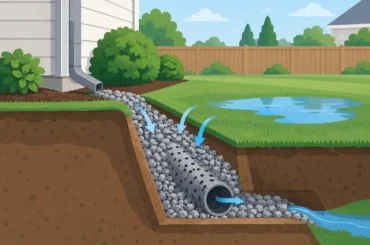
For many properties, moving water away from the foundation is the most practical first line of defense. Downspout extensions, properly graded soil, drainage channels, and carefully placed catch basins can direct runoff away from the house before it has a chance to soak into the ground beside the foundation.
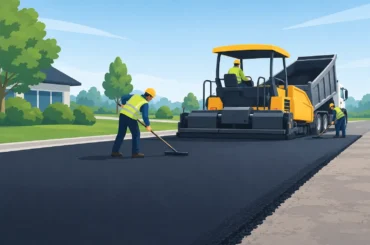
The right solution depends on the property. A level lot with dense soil may need a different approach than a sloped property where water runs toward the home from a neighboring area. Paved surfaces matter too. A driveway, patio, or walkway that pitches toward the house can send a large volume of water exactly where it should not go.
At Bentley Paving & Masonry, waterproofing work is viewed alongside drainage, masonry, and exterior surface conditions. That broader view helps identify practical repairs that protect the home and improve how the property handles rainwater as a whole.
Common Basement Waterproofing Solutions
There is no one waterproofing method that fits every foundation. The best approach depends on the water source, the age and condition of the structure, access around the home, and whether the basement is unfinished, used for storage, or part of the living space.
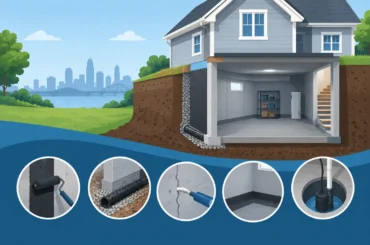
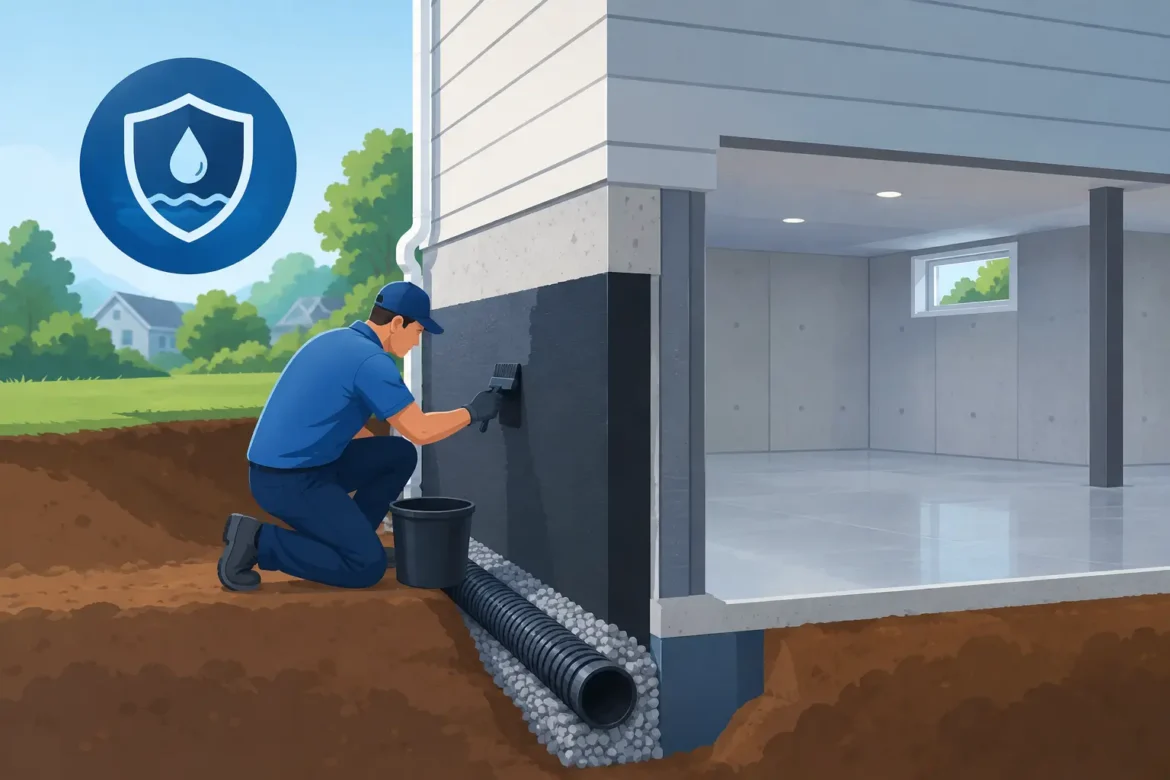
Exterior waterproofing addresses water before it reaches the foundation wall. This may involve excavating along the affected area, repairing damaged wall sections, applying a protective waterproof coating or membrane, and improving drainage at the footing. It is often a strong long-term option when water pressure and exterior soil conditions are the main concerns, but it can be more involved because access and landscaping need to be considered.
Interior drainage systems are designed to collect water that reaches the foundation area and guide it to a sump system or proper discharge point. This approach can be appropriate when exterior excavation is not practical or when groundwater is a recurring issue. A quality installation must be planned carefully so the water has a dependable path out of the basement.
Crack repair may be the right answer when water is entering through a specific, identifiable opening. Not every crack means a major structural problem, but active cracks deserve a professional look. The repair should address both the opening itself and the conditions that caused water to work against that part of the foundation.
Masonry repairs can also be part of the solution for older homes with worn joints, damaged block, or deteriorating foundation surfaces. Repointing, patching, and surface repairs can restore weakened areas, though masonry work alone may not solve a drainage issue outside.
What a Good Contractor Should Explain Clearly
Waterproofing is an investment in the property, so homeowners should not be left guessing about the scope of work. A dependable contractor should explain what was found, where water is likely entering, and why the recommended repair fits the situation.
Ask whether the proposal handles the source of the water or only the visible damage. If exterior grading, drainage, or pavement pitch is contributing to the problem, those items should be discussed. You should also understand what areas will be opened, excavated, repaired, or restored during the job.
Scheduling and jobsite care matter as well. Waterproofing can involve working close to foundations, landscaping, patios, and utility areas. Clear communication helps you prepare for access needs and understand how the work will affect the property while it is underway.
Price should be straightforward, but the lowest number is not always the best value. A low estimate that leaves out drainage corrections, proper materials, or necessary preparation can lead to repeat work later. Look for a contractor who is honest about the trade-offs and recommends work that makes sense for the condition of your home.
Protecting Your Basement After Repairs
Once the immediate problem has been corrected, regular upkeep helps keep water moving in the right direction. Keep gutters clear, make sure downspouts discharge well away from the house, and watch for settled soil along the foundation. After major storms, take a few minutes to check for new pooling around the home.
Pay attention to changes in paved areas too. Asphalt, concrete, pavers, and retaining walls all influence drainage. A settled walkway, cracked driveway edge, or patio that has shifted toward the house can gradually change how rainwater reaches the foundation. Addressing those changes early is usually easier than waiting for them to create basement damage.
For commercial properties, the same principle applies on a larger scale. Parking lot drainage, catch basins, paved access areas, and building-side grading should work together to keep runoff away from the structure. Standing water is not just an appearance issue. It can create slip hazards, shorten pavement life, and put pressure on building foundations.
A dry basement starts outside, where rain first meets the roof, ground, and pavement around your property. If you have noticed moisture, odors, stains, or water after storms, a clear inspection and practical repair plan can help you protect the space before the next hard rain tests it again.