A driveway rarely fails all at once. It starts with a thin line near the edge, a low spot that holds water after rain, or a small crack that seems too minor to worry about. Then a New Jersey winter arrives, water freezes and expands, and that small issue becomes a bigger repair. Knowing how to prevent driveway cracking gives homeowners and property managers a better chance of protecting the surface before repairs become expensive.
Whether your driveway is asphalt, concrete, or pavers, the same basic rule applies: keep water out, support the surface from below, and address small damage before traffic and weather make it worse.
Start With a Proper Base and Drainage Plan
The work below the driveway matters as much as the finished surface you see. A driveway needs a stable, properly compacted stone base to carry the weight of vehicles and handle seasonal ground movement. If the base is thin, soft, or poorly compacted, the surface above it can flex under tires. That movement is one of the most common reasons cracks form.
Poor drainage creates a similar problem. Water that runs beneath asphalt or concrete can weaken the base, wash away supporting material, and leave areas that sink or crack. Water standing at the driveway edge can also soften the soil and allow the pavement to break apart from the sides.
A well-built driveway should slope so rainwater moves away from the house, garage, and paved surface. The right slope depends on the property, surrounding grade, and where the water has somewhere safe to go. On properties with recurring puddles, downspout runoff, or wet areas near the driveway, a drainage solution may be needed before paving or repair work begins.
This is especially true in New Jersey, where heavy rain, snowmelt, clay soil, and freeze-thaw cycles can all put pressure on exterior surfaces. A clean-looking new driveway will not stay that way for long if water is trapped underneath it.
Choose the Right Surface for the Way You Use It
Asphalt, concrete, and pavers each have strengths, but no material is completely crack-proof. The better question is which surface fits the property and how it will be used.
Asphalt is flexible and well suited to changing temperatures when it is installed over a solid base. It is a practical choice for many residential driveways and can be repaired and sealcoated over time. However, it still needs regular attention, especially at the edges and in areas where water collects.
Concrete offers a clean, durable finish, but it is more rigid. Concrete driveways need properly placed control joints, which guide where the material can crack as it expands and contracts. Small cracks can still occur, but good preparation, proper joints, and drainage help keep them controlled instead of random and wide.
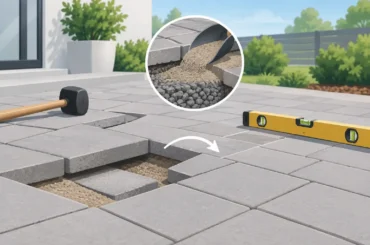
Paver driveways have individual units that can move slightly with the ground. They can be an attractive option for homeowners who want a more detailed finish and the ability to address a localized area if settling occurs. Their long-term performance depends heavily on excavation, base compaction, edge restraints, and drainage.
The traffic load matters too. A driveway used by passenger vehicles has different requirements than a commercial entrance, delivery area, or property where heavy trucks regularly pass through. Building for the actual load from the start is less costly than repairing a surface that was not designed for it.
How to Prevent Driveway Cracking With Regular Care
Once a driveway is in place, maintenance is what protects the investment. Most driveway cracks do not become major problems overnight. They grow because moisture gets into an opening and stays there through repeated weather changes.
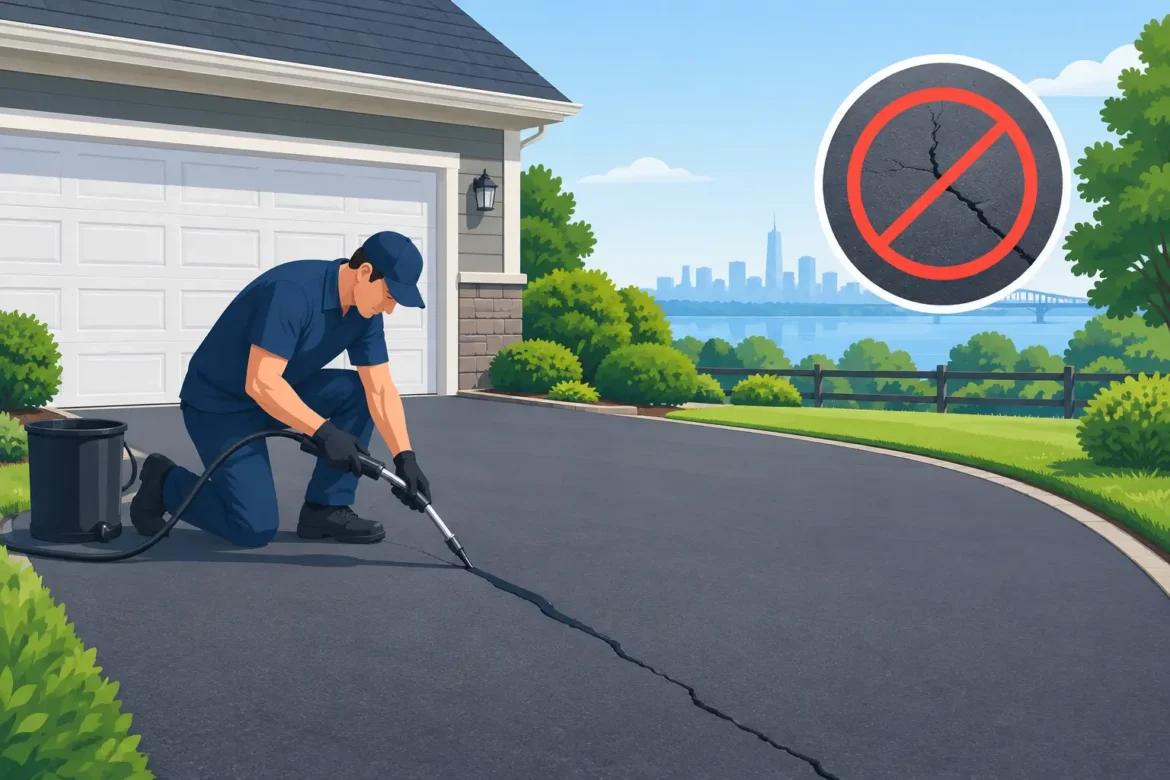
For asphalt, inspect the surface at least twice a year, ideally in spring and fall. Look for hairline cracks, open seams, crumbling edges, depressions, and areas where water remains after a storm. Small cracks should be cleaned and sealed before they widen. If a crack is already breaking apart around the edges, it may need a more substantial repair rather than a simple filler.
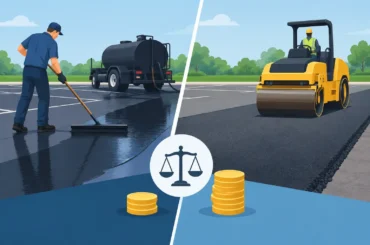
Sealcoating can help protect asphalt from water, oxidation, oil drips, road salt, and sun exposure. It is not a fix for structural cracks or a failing base, but it is valuable preventive maintenance for sound pavement. Timing depends on the driveway’s condition, traffic, weather exposure, and the quality of its original installation. Applying sealer too soon after new asphalt is installed can cause problems, so follow the recommendation of the paving professional who completed the work.
Concrete benefits from a different approach. Keep control joints clear of dirt and vegetation, and seal joints or cracks when necessary to reduce water entry. Avoid using harsh de-icing products that can damage concrete surfaces, particularly during the first winters after installation. Use a plastic shovel rather than a metal edge when clearing snow if possible.
Paver driveways should be checked for shifting units, loose edges, washed-out joint sand, and low spots. Replacing a few settled pavers and restoring the base beneath them early can prevent a larger section from moving.
Keep Heavy Loads and Sharp Turns in Check
Even a properly built driveway has limits. Repeated heavy loads can create stress in the same areas, especially near the garage entrance, curb, or turnaround. Moving trucks, dumpsters, construction equipment, and large delivery vehicles can damage pavement that was designed for normal residential traffic.
If heavy equipment must cross the driveway, ask the contractor whether protective mats or a different access route are possible. Do not assume a surface that supports an SUV will handle a loaded truck without risk.
Sharp turns and stationary steering can also wear down asphalt. Turning the wheel while a vehicle is not moving puts concentrated force on the same spot and may scuff or weaken warm asphalt in summer. This does not mean a driveway must be treated delicately, but avoiding unnecessary sharp turning helps preserve high-use areas.
Parking in the same exact place every day can contribute to depressions over time when the base is weak. If practical, varying parking positions slightly can reduce repeated pressure in one location.
Protect the Edges and Nearby Landscaping
Driveway edges are more vulnerable than the center because they do not have pavement supporting both sides. Driving off the edge, parking partly on grass, or allowing soil to erode beside the pavement can cause cracking and crumbling.
Keep the soil or landscaping beside the driveway graded neatly, but do not pile mulch, soil, or decorative stone above the pavement edge. Material that holds moisture against the surface can speed up deterioration. A clean edge also lets you see damage early instead of hiding it under overgrown grass or landscape beds.
Tree roots deserve attention as well. Large roots can lift asphalt, concrete, and pavers from below. Cutting roots without a plan can harm the tree or create soil instability, so this is a situation where it depends on the tree, root size, and location. A qualified contractor can help assess whether driveway repair, root management, or a redesign of the affected area makes the most sense.
Act Early When Water or Cracks Appear
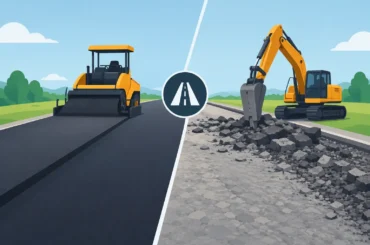
A crack that is narrow and stable may only need cleaning and sealing. A crack that is widening, uneven, soft around the edges, or accompanied by a sunken area points to a deeper issue. Covering that type of damage without correcting the base or drainage may improve the appearance briefly, but the problem will likely return.
Watch for warning signs such as water pooling in the same place, cracks spreading from the driveway edge, asphalt that feels soft in warm weather, or a visible dip where vehicles travel. These are often signs that the surface needs more than routine maintenance.
For commercial properties, prompt repair is also a safety and appearance issue. Cracked parking areas and entrances can create trip hazards, vehicle damage, drainage complaints, and a poor first impression for customers or tenants. Scheduling repairs before winter or before damage spreads can reduce disruption and help control costs.
Bentley Paving & Masonry helps New Jersey property owners identify whether a driveway needs simple crack repair, drainage correction, resurfacing, or replacement. The right recommendation should be based on what is causing the damage, not just what covers it up.
A driveway is one of the hardest-working parts of a property. Give it proper support, keep water moving in the right direction, and deal with small cracks while they are still small. That steady attention can add years of useful life and keep the approach to your home or business safe, clean, and ready for daily use.