A parking lot rarely fails all at once. It starts with a small crack near an entrance, a low spot that holds water after rain, or a rough patch where delivery vehicles turn every day. Commercial asphalt repair addresses those early warning signs before they become potholes, safety concerns, and a much larger replacement bill.
For New Jersey business owners and property managers, pavement is part of the customer experience. It affects first impressions, vehicle access, pedestrian safety, drainage, and the way a property is maintained. A clean, smooth lot tells tenants, visitors, and customers that the property is cared for. Broken pavement sends the opposite message – and can create real liability concerns.
Small Asphalt Problems Do Not Stay Small
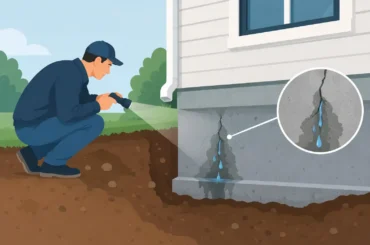
Asphalt is a durable surface, but it is not maintenance-free. Sun, rain, snow, ice, vehicle traffic, and normal aging all take a toll. Water is usually the biggest concern. Once it reaches cracks in the asphalt, it can work its way below the surface and weaken the base that supports the pavement.
That is why a crack can turn into a pothole faster than many owners expect. Water enters the opening, freezes and expands during cold weather, then leaves behind a larger gap when temperatures rise. Repeated traffic puts pressure on the weakened area until the surface breaks apart.
Commercial properties also face more concentrated wear than most driveways. Vehicles brake at stop signs, turn sharply at loading areas, idle near entrances, and travel through the same lanes day after day. Those high-use areas often need attention first, even when the rest of the parking lot still looks serviceable.
Signs Your Property Needs Commercial Asphalt Repair
A professional inspection helps determine the right repair, but property managers can spot many warning signs during regular walkthroughs. Look for spreading cracks, loose or crumbling edges, potholes, surface depressions, standing water, and areas where the asphalt has become rough or uneven.
Faded color alone does not always mean the pavement is failing. Asphalt naturally loses its deep black appearance as it ages. However, gray, dry-looking pavement combined with cracks may signal that the surface is becoming brittle and needs protection.
Pay close attention after a heavy rain. Puddles that remain long after surrounding areas have dried may point to a grading or drainage issue. Simply patching a low spot without correcting the water problem can lead to another failure in the same location. In those cases, asphalt repair and drainage work should be planned together.
Uneven pavement near sidewalks, curbs, entrances, and accessible parking spaces deserves prompt attention. These locations see heavy pedestrian use, and even a modest height difference can become a trip hazard.
The Right Repair Depends on What Failed
There is no single repair that fits every parking lot. The best approach depends on whether the issue is limited to the surface or whether the base beneath the asphalt has been compromised.
Crack Filling and Sealing
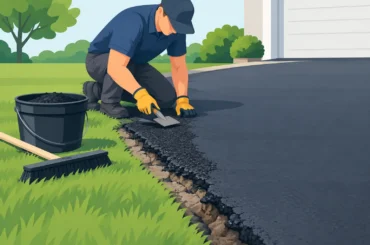
Narrow cracks can often be cleaned and filled before water gets below the surface. This is one of the most cost-effective ways to slow deterioration, especially when it is done early. Crack repair works best when the surrounding asphalt remains stable. It is not a permanent answer for areas that are already crumbling or sinking.
Patching for Potholes and Broken Areas
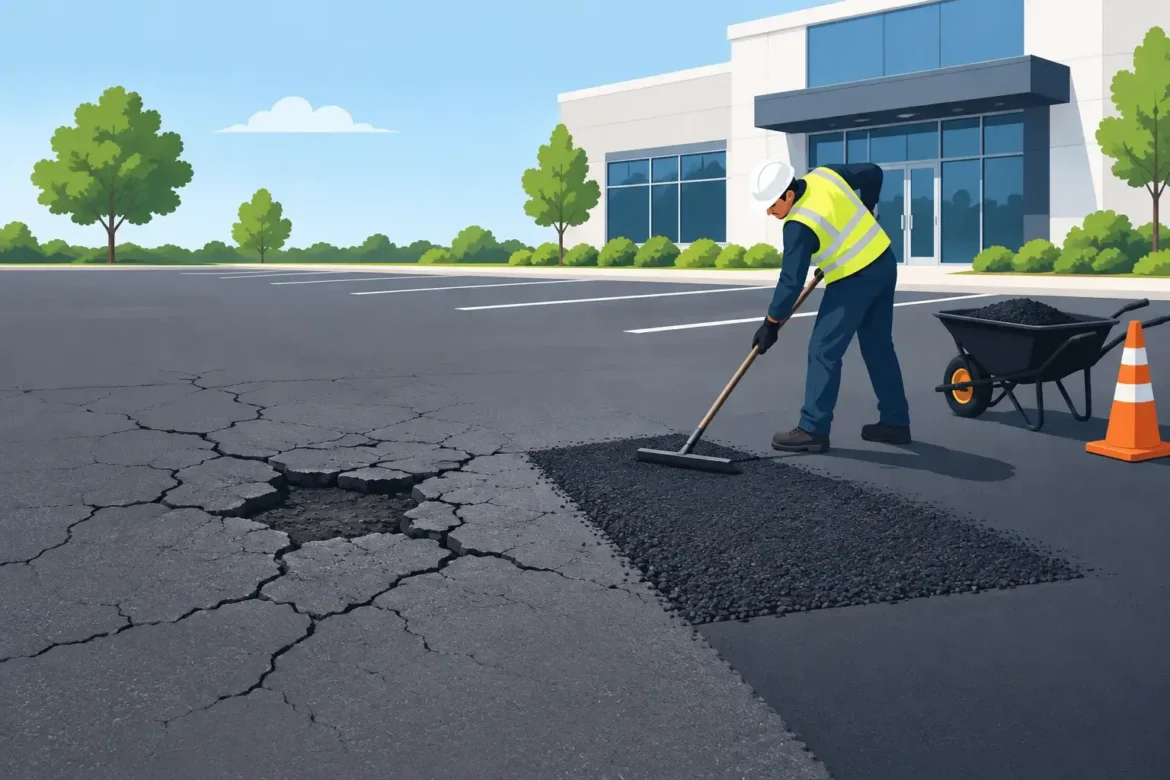
Potholes, alligator cracking, and loose asphalt usually require a patch. A proper patch involves removing failed material, preparing the area, repairing the base when needed, and installing new asphalt. The goal is not to cover damaged pavement with a thin layer. The goal is to rebuild the section so it can carry traffic again.
There are trade-offs here. A surface patch can be a practical short-term solution for a small, isolated problem. But if the base is soft from water damage or poor drainage, a deeper full-depth patch is usually the better long-term investment.
Asphalt Overlay
When a lot has widespread surface wear but a sound base, an overlay may make sense. This process places a new layer of asphalt over the existing pavement after necessary repairs and preparation. It can improve appearance, smooth out the driving surface, and extend the life of the lot without the cost of full replacement.
An overlay is not the right choice for every property. If the existing asphalt has major base failure, extensive standing water, or severe cracking throughout, placing new asphalt over those conditions may only hide the problem for a short time.
Drainage Corrections
Water should move away from the pavement, not settle on it. In some cases, repairing asphalt properly means adjusting grades, addressing damaged drainage areas, or improving where runoff is directed. A contractor who understands both paving and drainage can identify when a pavement issue is really a water-management issue.
Why Timing Matters for Parking Lot Repairs
Waiting is often the most expensive choice. A repair that could have been handled with crack filling or a small patch can grow into a larger excavation, base repair, and repaving project. Early action also makes it easier to schedule work around tenants, customers, deliveries, and normal business operations.
For many commercial properties, spring through fall is a good time to evaluate pavement conditions and complete repairs. That does not mean owners should ignore problems during winter. Temporary measures may be needed to keep a pothole from creating a hazard, followed by permanent repair when weather conditions allow for quality asphalt work.
A practical maintenance plan also helps owners budget. Rather than being surprised by a major failure, property managers can prioritize the highest-risk areas, repair them first, and plan preservation work for the rest of the pavement.
Protect Repairs With Ongoing Maintenance
Commercial asphalt repair is most valuable when it is part of a larger maintenance plan. Once damaged areas are corrected, routine care can help the pavement last longer and look better.
Keep debris out of drains and along curbs so water can flow properly. Address new cracks before they widen. Avoid allowing heavy vehicles to use areas not designed for their weight. Schedule sealcoating when the asphalt is in good enough condition to benefit from it.
Sealcoating is a protective treatment, not a fix for structural damage. It can help defend the asphalt surface from sun exposure, moisture, and vehicle fluids while restoring a clean, uniform appearance. But potholes, deep cracks, and drainage problems should be repaired first. Applying sealer over failing pavement does not correct what is happening below the surface.
It also helps to inspect the pavement at least twice a year: once after winter and again before colder weather returns. Walk the lot, check drainage after rainfall, and note any new damage around entrances, loading areas, curbs, or high-traffic lanes.
Choosing a Contractor for Commercial Asphalt Repair
Commercial work requires more than a crew that can place asphalt. Your contractor should assess the cause of the damage, explain the recommended repair clearly, and provide a plan that respects your property and operating schedule.
Ask whether damaged base material will be addressed when necessary, how drainage concerns will be handled, and what preparation is included before new asphalt is installed. The lowest estimate is not always the lowest cost if it skips the work needed to make the repair last.
Bentley Paving & Masonry brings owner-operated accountability to commercial paving, asphalt repair, drainage, and surface protection projects throughout New Jersey. The right repair starts with an honest look at the pavement, the water around it, and the traffic it needs to handle.
A smooth parking lot does more than improve curb appeal. It gives customers a safer arrival, protects vehicles, supports daily operations, and helps preserve the value of the property. When cracks, potholes, or puddles first appear, a prompt evaluation can keep a manageable repair from becoming a major disruption.