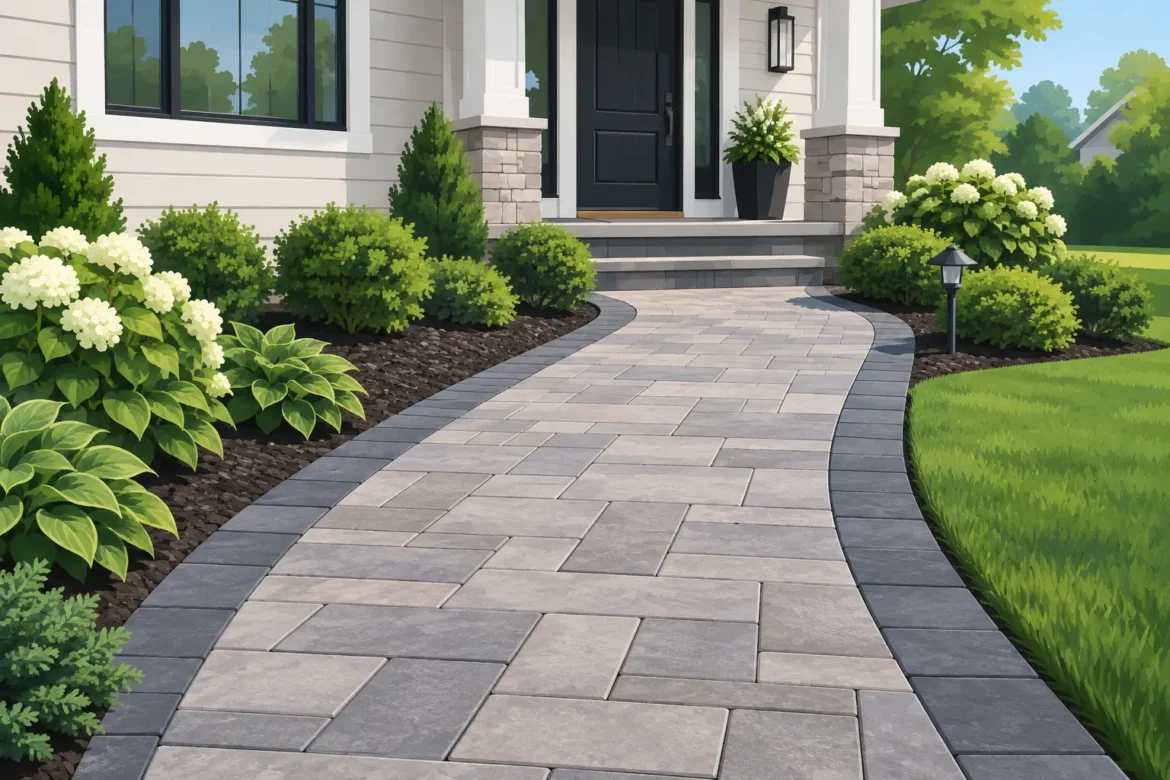
A front walkway does more than lead guests to the door. It takes daily foot traffic, carries water away from the foundation, and shapes the first impression of the property. A well-planned front walkway paver installation NJ homeowners invest in should look right for the house, feel solid underfoot, and hold up through heavy rain, winter freezes, and years of use.
Pavers are a strong choice because they offer both durability and flexibility. But the finished look is only part of the job. The ground below the pavers, the slope of the walkway, and the way the edges are secured determine whether the path stays level or starts shifting after a few seasons.
What Makes a Front Walkway Paver Installation Last
A walkway can look excellent on the day it is installed and still develop low spots, loose edges, or standing water if the base was rushed. In New Jersey, freeze-thaw cycles make proper preparation especially important. Water that gets into an unstable base can shift the surface as temperatures change.
The work starts by setting the layout and excavation depth. The existing soil must be removed far enough to allow for a compacted aggregate base, bedding sand, and the paver thickness while keeping the final walkway at the right height near steps, porches, and lawn areas. A path that sits too high can create a tripping point or send water toward the house. One that sits too low may collect runoff and debris.
The aggregate base is installed in controlled layers and compacted thoroughly. This is the structural support for the entire walkway. Bedding sand is then leveled over the base so the pavers can be set evenly. The pavers are fitted tightly, cuts are made cleanly along borders and curves, and edge restraints are installed to keep the pattern from spreading outward over time.
Joint sand is swept into the gaps between pavers and compacted. Depending on the design and site conditions, polymeric sand may be used to help lock joints together and reduce weed growth. It is not a substitute for a proper base, but it is an important finishing step.
Start With Water, Not Just the Paver Pattern
Many front entrance problems are really drainage problems. If water ponds along the walkway, flows toward the foundation, or washes soil from nearby beds, a new paver surface alone will not solve the issue. The walkway needs a planned pitch that directs water away from the home without creating a new problem at the sidewalk, driveway, or landscaping.
The exact slope depends on the property. A front walk leading from a driveway may need to handle runoff differently than a long path from the public sidewalk. Low-lying yards, downspout discharge, existing grading, and nearby retaining walls all affect the plan.
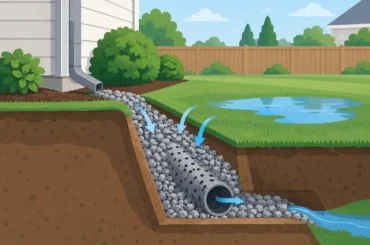
In some cases, the best answer is simple regrading around the walkway. In others, a drainage solution such as a channel drain, catch basin, or redirected downspout may make sense. Addressing those conditions before installation protects the new work and can help protect the foundation as well.
A contractor should look beyond the path itself. Water follows gravity, and it does not care where the homeowner hoped it would go. That is why an on-site evaluation matters before choosing materials or finalizing a design.
Choosing Pavers That Fit the Home
There is no single best paver for every New Jersey front walkway. The right choice depends on the home’s style, the width and shape of the entry, the expected traffic, and the level of maintenance the owner wants.
Concrete pavers are popular for their range of colors, shapes, and patterns. They work well with traditional homes, newer construction, and many commercial entrances. Brick pavers bring a classic look that can complement colonial-style homes and older neighborhoods. Natural stone can create a more custom appearance, though material costs and installation requirements are often higher.
Color deserves practical thought. Light pavers can brighten a shaded entry, while darker colors may better hide dirt in a busy approach. Variegated blends often work well because they are forgiving of normal outdoor wear. The walkway should also coordinate with the driveway, front stoop, siding, brickwork, and existing landscape stone. Matching every surface exactly is not necessary. A complementary color and clean transition usually look more natural.
Texture matters for safety. A front walkway should provide dependable footing in wet conditions. Highly polished materials may not be the right fit for an exposed entry, especially where shade allows moisture or ice to remain longer.
Width, Shape, and Everyday Use
A narrow, straight path may be enough for a small entry, but it can feel cramped when two people pass each other or when someone is carrying groceries. A wider walkway often improves both comfort and curb appeal. It also gives the front of the home a more finished appearance.
Curves can soften the look of a yard and work well around planting beds or mature trees. Straight lines can suit a formal home or a direct route from the driveway. Neither is automatically better. The best layout fits the property instead of forcing a trend onto it.
Steps and elevation changes need special attention. Uneven or undersized steps are a safety concern, and pavers should transition cleanly into the stoop, porch, or landing. If masonry repairs, new steps, or a retaining wall are needed, it is usually more efficient to plan those elements as one coordinated project.
Common Shortcuts That Cause Walkway Problems
The lowest estimate is not always the lowest long-term cost. Paver work involves excavation, base material, compaction equipment, cutting, edge restraints, and drainage planning. When key preparation steps are removed to reduce the price, the walkway may settle, separate, or hold water sooner than expected.
Watch for a proposal that is vague about what happens below the pavers. Homeowners should understand how much excavation is planned, what base materials will be used, how the base will be compacted, and how water will be handled. The answer may vary from one site to another, but it should never be an afterthought.
Another common problem is installing pavers too close to the house without considering the finished grade. Soil and surfaces should not trap moisture against siding or foundation walls. The pathway should tie into the surrounding property in a way that looks clean and works properly in bad weather.
Poorly secured edges are another source of failure. Without proper restraints, the outside pavers can begin moving outward, opening joints and weakening the entire surface. This is especially noticeable at curves, steps, and the transition where a walkway meets a driveway.
Planning the Project With Confidence
Before scheduling front walkway paver installation in NJ, walk the route you use most often. Notice where rainwater sits, where grass struggles, whether the front steps feel narrow, and where visitors naturally approach the door. Take note of gates, utilities, sprinkler heads, downspouts, and landscaping features that may affect access or layout.
It also helps to think beyond the immediate path. If a driveway is nearing the end of its life, if front steps need repair, or if drainage work is already planned, combining related exterior work can create a more consistent result. It may also avoid disturbing a brand-new walkway later to solve an adjacent issue.
At Bentley Paving & Masonry, the goal is not to sell the same layout to every homeowner. A dependable walkway starts with a clear look at the property, honest recommendations, quality materials, and workmanship that accounts for the conditions on site.
Care After Installation
Paver walkways are relatively easy to maintain, but they still benefit from routine attention. Sweep away leaves and soil so organic material does not collect in the joints. Rinse the surface as needed, and use de-icing products carefully during winter. Harsh products can damage certain pavers or leave surface discoloration.
Over time, some joint sand may need to be replenished. If a paver becomes stained or damaged, one advantage of pavers is that an individual unit can often be replaced without tearing out the entire walkway. If a section begins settling, address it early rather than waiting for the area to expand.
A properly built front walkway should make the daily trip from driveway to door feel safer, cleaner, and more welcoming. With the right base, drainage plan, and materials, it becomes a practical improvement that adds lasting value every time someone arrives home.