A loose brick on a front step or a crumbling mortar joint along a foundation may look like a small exterior issue. In Somerset, New Jersey, it can become a safety concern, a water-entry problem, or a repair that spreads farther than expected after another winter. Timely brick masonry repair Somerset NJ homeowners and property managers can rely on helps protect the appearance, strength, and value of the property before minor damage turns into major work.
Brick is built to last, but no masonry surface is maintenance-free. Rain, freeze-thaw cycles, settling soil, poor drainage, and years of exposure all take a toll. The right repair starts with identifying why the brick or mortar failed, not simply covering the damaged area with new material.
What Failing Brickwork Can Tell You
Mortar is often the first part of a masonry wall to wear down. It sits between the bricks, holds the wall together, and helps manage moisture. When mortar becomes soft, cracked, or missing, water can work deeper into the wall. That moisture can freeze, expand, and loosen surrounding bricks.
Not every crack means a wall is failing. A small, stable hairline crack in an older masonry feature may only need monitoring or localized repair. A stepped crack running through several mortar joints, however, can point to movement beneath the surface. The difference matters because replacing a few bricks will not solve a drainage or foundation-settlement issue.
Watch for these signs that masonry should be inspected:
- Mortar joints that are crumbling, recessed, cracked, or missing
- Loose, shifting, chipped, or spalling bricks
- White powdery staining on brick surfaces, often called efflorescence
- Cracks that follow the mortar joints in a stair-step pattern
- Leaning walls, separated steps, or gaps around a stoop or chimney
- Water collecting beside brick walls, steps, or foundation areas
A masonry professional can determine whether the problem calls for repointing, brick replacement, rebuilding a section, drainage correction, or a combination of services.
Brick Masonry Repair in Somerset NJ Starts With the Cause
Somerset properties deal with changing weather throughout the year. Water is usually the biggest concern. When downspouts discharge near a brick wall, grading slopes toward the house, or a patio directs runoff into a stoop, the masonry is exposed to repeated saturation. That can lead to mortar loss, cracked bricks, and movement over time.
Freeze-thaw damage is especially common on exposed steps, retaining walls, chimneys, garden walls, and front entrances. Water enters tiny openings in mortar or brick faces. When temperatures drop, that trapped water expands. After enough cycles, the brick face can flake away and joints can break apart.
Age is another factor, particularly around original walkways, stoops, and foundation walls. Older mortar may have reached the end of its service life. In some cases, earlier repairs used mortar that was too hard for the existing brick. That can cause the brick itself to take the damage rather than allowing the mortar joint to wear as intended.
A proper assessment looks beyond the visible crack. It considers the condition of the surrounding joints, the direction of water flow, the stability of the base, and whether nearby concrete, pavers, or landscaping are contributing to the problem.
The Right Repair Depends on the Damage
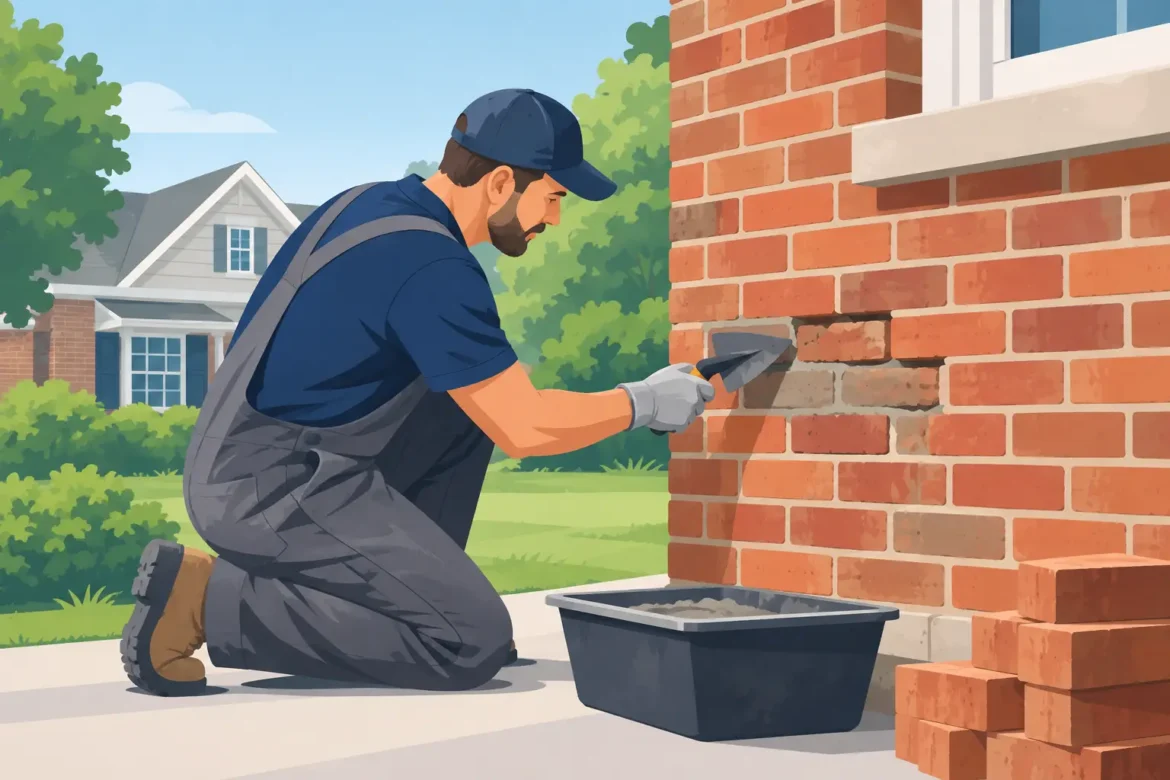
Repointing is a common solution when the bricks are still sound but the mortar joints have deteriorated. The damaged mortar is carefully removed to an appropriate depth, then replaced with new mortar that is matched to the existing masonry as closely as possible. Good repointing restores the joint without smearing mortar across the brick face or leaving a patchwork appearance.
When individual bricks are cracked, spalled, or loose, brick replacement may be the better answer. The damaged units are removed carefully, the area is cleaned, and replacement bricks are set and pointed to blend with the surrounding work. Exact color matching can depend on the age and availability of the original brick, but experienced masonry work aims for a clean, natural-looking result.
Some situations require more than a surface repair. A settled stoop, a leaning garden wall, or a failing retaining wall may need partial rebuilding. The old material may be reusable if it remains in good condition, but the base and drainage need attention first. Rebuilding on an unstable or waterlogged base only delays the same issue.
Chimney masonry deserves special care. Because chimneys sit above the roofline and receive constant weather exposure, failed mortar joints and cracked crowns can allow water into the structure. Repairing problems early can help prevent more extensive damage to the chimney stack, flashing area, or interior surfaces.
Drainage Is Part of a Lasting Masonry Repair
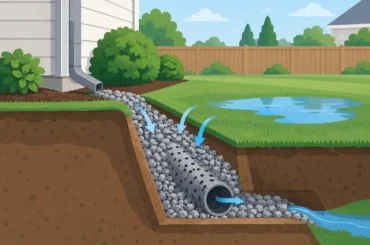
A new mortar joint will not hold up if water continues to collect where it should not. This is where exterior construction experience makes a real difference. Brick repair and drainage often go hand in hand, especially around foundations, front steps, patios, and retaining walls.
The solution may be as straightforward as extending a downspout away from the structure or regrading a small section of soil. Other properties may need a drainage system, a rebuilt patio pitch, or a retaining-wall repair that includes proper base preparation and drainage stone. The right approach depends on the property layout and the source of the water.
For commercial properties, the concern may involve pedestrian access, entry steps, loading areas, planters, or brick facades near paved lots. Loose masonry is a liability issue as well as an appearance issue. Addressing it early helps keep entrances safer for customers, tenants, employees, and visitors.
What Quality Masonry Work Should Look Like
Good brick repair is not just about filling a crack with mortar. The repaired area should be stable, cleanly finished, and properly integrated with the existing masonry. Mortar joints should be consistent in depth and profile. Replacement bricks should sit level and secure. Surrounding surfaces should be protected during the work and left clean afterward.
The best repair method also respects the age and style of the property. A modern concrete block foundation repair is different from restoring an older brick front stoop. A decorative garden wall has different needs than a structural retaining wall. Materials, mortar selection, and preparation should fit the specific application.
There is also a practical trade-off between a small spot repair and wider preventive work. Repairing only the visibly damaged section costs less upfront when the surrounding masonry is in good shape. If many joints are failing across the same wall, more complete repointing may be the better value because it avoids repeated service calls and mismatched patches.
Choosing a Contractor for Masonry Repairs
Brickwork is highly visible, so workmanship matters. Before approving a project, property owners should receive a clear explanation of what is damaged, what caused it, and what repair is being recommended. A dependable contractor should also explain if related drainage, paving, or base work is needed for the repair to last.
Bentley Paving & Masonry brings owner-operated accountability to masonry repairs, along with the ability to address connected exterior issues such as walkways, stoops, patios, drainage, and waterproofing. That matters when the visible masonry damage is only one part of the problem.
Ask about the materials being used, how damaged mortar or bricks will be removed, and how the work area will be protected. It is also reasonable to ask whether the repair is cosmetic, structural, or tied to a water-management issue. Clear answers help property owners make a sound decision instead of paying for a quick patch that does not address the cause.
Protect the Masonry Before the Next Season
Brick and mortar rarely fail all at once. Most damage begins with small openings, recurring moisture, or gradual movement that becomes more noticeable over time. Checking steps, walls, chimney joints, and foundation masonry after winter or heavy storms can catch problems while repairs are still manageable.
If you see loose bricks, missing mortar, water staining, or cracks that appear to be growing, do not wait for the damage to spread. A straightforward inspection and a well-planned repair can keep your property safer, sharper-looking, and better prepared for the seasons ahead.