A driveway or parking lot can look worn out long before it is beyond repair. Faded color, shallow cracks, rough patches, and a tired surface often lead property owners to call an asphalt resurfacing contractor. Resurfacing can be a smart, cost-conscious way to restore a paved surface, but only when the pavement underneath is still structurally sound.
For homeowners, managers, and business owners in New Jersey, the right answer is not always a new layer of asphalt. Water, drainage, base failure, and the extent of existing damage all matter. A contractor who looks at the full condition of the pavement can help you spend money where it will actually improve the life and appearance of the property.
What Asphalt Resurfacing Actually Does
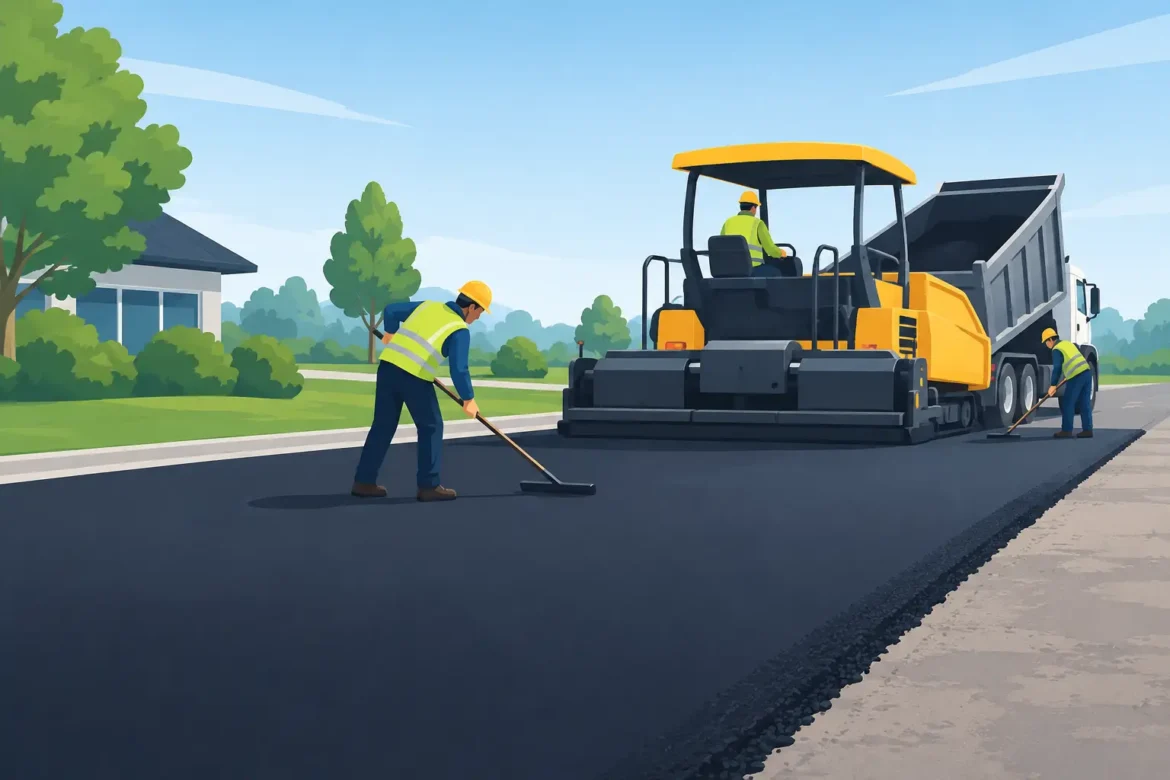
Asphalt resurfacing, sometimes called an overlay, places a new layer of hot-mix asphalt over an existing paved surface. Before the new material is installed, the contractor addresses cracks, low areas, damaged sections, and surface preparation. The finished pavement has a fresh, smooth appearance and improved driving or walking surface.
Resurfacing is different from sealcoating. Sealcoating is a protective maintenance treatment that restores the dark finish of asphalt and helps shield it from sun, moisture, oil, and normal wear. It does not level a failing pavement or correct widespread cracking. Resurfacing adds new asphalt thickness and can correct many surface-level problems when the underlying base remains stable.
It is also different from full replacement. A replacement project removes the old asphalt, repairs or rebuilds the stone base as needed, and installs new pavement. That is the better long-term choice when the existing surface has major structural failure.
When Resurfacing Is a Good Investment
A quality overlay can extend the useful life of a driveway or parking area without the cost of complete removal. It is often a practical choice when the asphalt has aged but the foundation beneath it is holding up well.
Good candidates commonly have surface oxidation, minor cracking, small depressions, uneven texture, or patches that have made the pavement look neglected. A residential driveway may be functionally solid but have enough cosmetic wear that it takes away from the home’s curb appeal. A commercial lot may need a cleaner, smoother look to make entrances, parking spaces, and traffic lanes safer and more presentable.
The key is stability. If the pavement does not move excessively under vehicle weight and there are no broad areas of crumbling, resurfacing may provide a strong return on investment. Proper preparation matters just as much as the new asphalt itself. Cracks should be treated, damaged areas should be repaired, and transitions at garages, sidewalks, curbs, drains, and road connections should be planned before paving begins.
A well-executed resurfacing project should not look like a thin black cover placed over old problems. It should give the property a clean, properly graded surface that sheds water and holds up to regular use.
Signs You May Need More Than an Overlay
There are times when resurfacing is not the honest recommendation. Deep alligator cracking, large potholes, soft spots, standing water, sinking sections, and pavement that breaks apart under traffic usually point to a failing base or drainage issue. Covering those conditions with fresh asphalt may improve the appearance for a short time, but the original problem can return through the new surface.
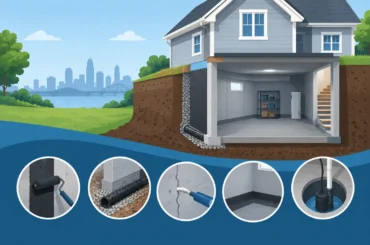
Water is especially important in New Jersey. Freeze-thaw cycles can turn a small crack into a larger repair quickly. When water gets beneath asphalt, it can weaken the base, create voids, and cause the surface to sink or split. If runoff is moving toward a garage, building, or basement, paving alone may not solve the problem. Drainage work may need to come first.
This is why an on-site evaluation matters. The lowest price is not a bargain if it skips base repairs, ignores low spots, or leaves water with nowhere to go.
What a Dependable Asphalt Resurfacing Contractor Should Check
A dependable asphalt resurfacing contractor starts by looking beyond the color of the existing pavement. The condition of the driveway or lot, the traffic it carries, the edges, and the drainage pattern all help determine whether resurfacing is appropriate.
For a home, that may mean looking closely at vehicle areas, garage approaches, apron transitions, and places where rainwater collects. For a commercial property, it may include entrance lanes, loading areas, parking stalls, curbs, walkways, and the sections that receive the heaviest traffic. Delivery vehicles and repeated turning movements can require a different repair plan than a lightly used residential drive.
The contractor should also explain how the new asphalt will meet existing surfaces. A poor transition can create a trip edge at a walkway, interfere with a garage door, trap water near a curb, or leave an awkward bump where vehicles enter the property. These details are not extras. They are part of work that performs properly after the paving crew leaves.
At Bentley Paving & Masonry, the approach is straightforward: evaluate the condition, identify the work that will make a lasting difference, and provide a clear estimate before the project begins. Owner-operated service means there is accountability from the first conversation through the finished surface.
The Preparation That Makes Resurfacing Last
The visible paving day is only one part of the job. The work done before asphalt is placed has a major effect on the result.
First, damaged sections may need to be cut out and repaired. This prevents weak pavement from continuing to fail underneath the overlay. Cracks may also be cleaned and treated so they are less likely to reflect quickly through the new surface. While no asphalt surface is permanently crack-proof, proper repair and installation can slow the return of common wear issues.
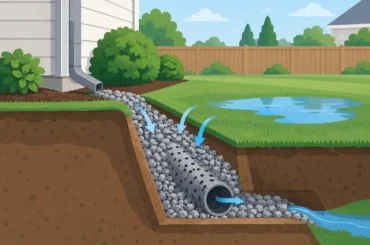
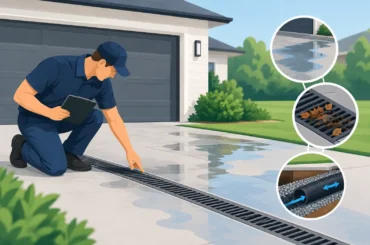
Next comes grading. The new surface needs a deliberate pitch so water moves away from structures and does not sit in the center of the pavement. Existing drains must stay functional, and low spots need attention rather than a quick cover-up. In some cases, a drainage solution, such as a channel drain or improved runoff path, is the more valuable part of the project.
Finally, the paving crew installs and compacts the new asphalt. Consistent thickness, clean edges, solid compaction, and careful handwork around borders all affect durability and appearance. Asphalt installed too thin or poorly compacted may wear faster, especially at edges and turning areas.
Questions to Ask Before You Approve an Estimate
A clear estimate helps you compare proposals based on the work included, not just the bottom-line number. Ask whether the contractor recommends resurfacing or replacement and why. If resurfacing is proposed, ask what repairs will be made before the overlay is installed and how drainage will be handled.
You should also understand the limits of the project. A contractor should be honest if certain deep cracks may eventually return because of existing conditions below the asphalt. That does not automatically mean resurfacing is the wrong choice. It means you deserve a realistic expectation of the result and the expected service life.
For commercial properties, discuss access and scheduling. Businesses cannot always close a parking area for long, so a phased plan may be needed to keep customers, employees, and deliveries moving safely. For homes, ask about vehicle access, cure time, and any areas that should be avoided after paving.
Price matters, but materials, preparation, and workmanship matter more over time. A competitive estimate should still include the right work for the condition of the pavement.
Protect the Surface After Resurfacing
Fresh asphalt needs time before it reaches full strength. Avoid sharp turning, parking heavy equipment in one place, or placing pointed items directly on the surface during the early curing period. Homeowners should also take care with motorcycle kickstands, trailers, dumpsters, and heavy furniture supports, particularly in warm weather.
Ongoing maintenance is simple but worthwhile. Keep the pavement clean, address spills, watch for cracks, and make sure nearby soil or landscaping does not block drainage. Sealcoating at appropriate intervals can help protect the surface from weather and oxidation after the asphalt has cured sufficiently.
The right paving decision starts with an honest look at what is underfoot. If your asphalt is worn but stable, resurfacing can restore the appearance, safety, and value of the property without rebuilding everything. If water or base failure is the real issue, fixing it now can save you from paying twice later.