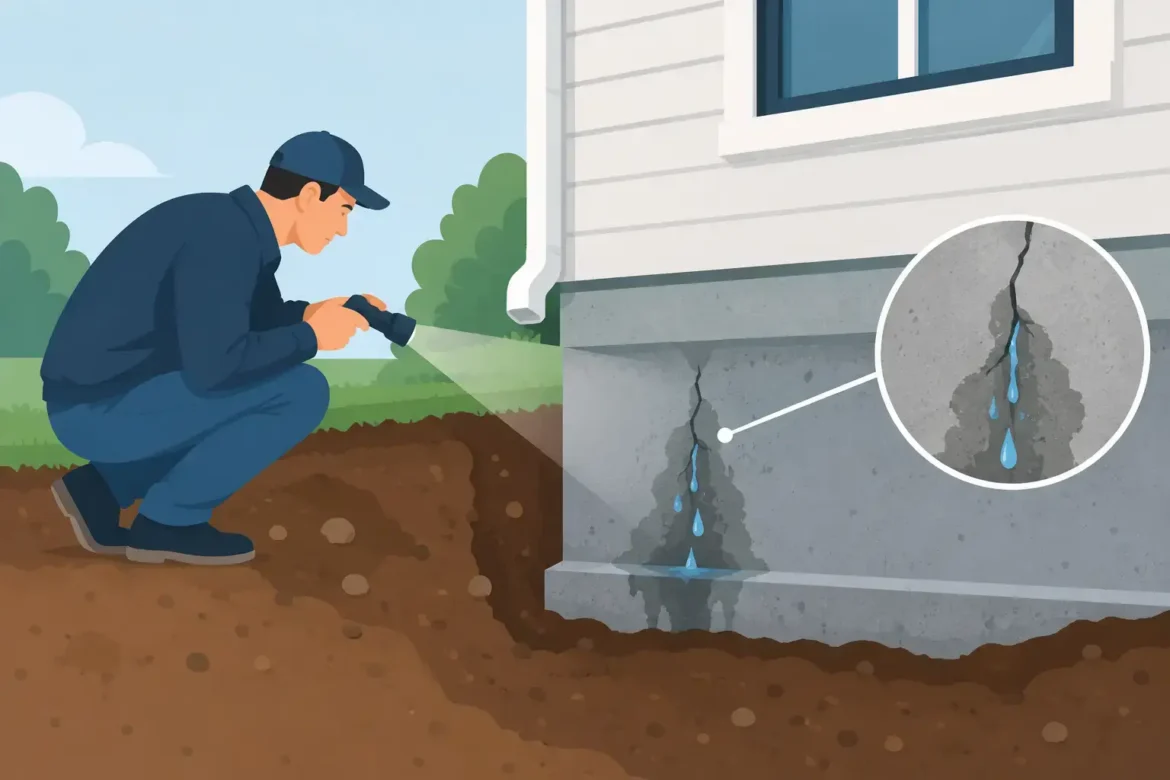
A damp basement wall after a hard New Jersey rain is easy to dismiss as a one-time problem. But knowing how to spot foundation leaks early can keep a small drainage issue from turning into damaged finishes, mold growth, masonry deterioration, or a costly repair below grade. Water always follows the easiest path, and around a foundation, that path is often created by poor grading, clogged gutters, cracked masonry, or pressure building up in saturated soil.
A foundation leak does not always look like a stream of water running across the floor. In many homes, the early signs are quieter: a musty smell, white residue on concrete, peeling paint, or a damp corner that appears only after storms. Paying attention to when and where those signs show up helps identify the real source.
How to Spot Foundation Leaks Inside Your Home
Start in the basement, crawl space, or lower level after a steady rain or rapid snowmelt. Do not only look at the floor. Check walls, corners, utility penetrations, window wells, and the joint where the wall meets the floor. A leak can travel along the outside of the foundation before appearing several feet away from where water first entered.
Water stains and damp patches are among the clearest warning signs. Fresh moisture may darken concrete or block walls. Older leaks often leave tan, brown, or gray staining. If drywall or finished basement trim is present, look for bubbling paint, swollen baseboards, soft drywall, or carpet that feels damp near an exterior wall.
White, chalky residue on masonry is another common clue. This is called efflorescence. It forms when water moves through concrete or block and leaves mineral salts behind as it evaporates. Efflorescence does not always mean there is an active leak that day, but it proves moisture has been moving through the wall. If it keeps returning after cleaning, the water problem has not been solved.
Musty odors and humidity deserve attention even when you cannot see standing water. A basement can smell stale because of normal limited ventilation, but a persistent earthy or musty odor often points to moisture in wall cavities, insulation, stored materials, or the slab. Watch for condensation on pipes, windows, and metal surfaces as well. These signs can come from humid air, but they may also indicate water entering the space and raising moisture levels.
Cracks should be inspected, not ignored. Hairline cracks in concrete can be common, especially in older homes, and not every crack leaks. The concern rises when a crack is damp, stained, widening, or associated with water after rain. Horizontal cracks, stair-step cracks in block or brick, and cracks paired with wall movement should be evaluated promptly because they can point to pressure or structural concerns beyond simple water entry.
Check Outside Before Blaming the Foundation
Many foundation leaks begin above ground. When roof runoff or surface water is allowed to collect near the house, the soil around the foundation becomes saturated. That creates hydrostatic pressure, which pushes water against below-grade walls and finds openings at cracks, joints, pipes, and porous masonry.
Walk around the property during or shortly after rain. Look for these drainage conditions:
- Downspouts that discharge directly beside the foundation
- Gutters overflowing from debris, loose sections, or poor pitch
- Soil, mulch, or landscaping that slopes toward the house
- Puddles that remain near walls for a day or more after rainfall
- Driveways, walkways, patios, or stoops that pitch water toward the building
- Low areas around window wells, exterior steps, and foundation corners
A properly managed site directs water away from the structure. The exact solution depends on the property. Some homes need gutter improvements and downspout extensions. Others need regrading, a drainage swale, a catch basin, or a French drain system to intercept water before it reaches the foundation. On properties with aging hardscapes, resetting or replacing a settled walkway or patio can make a major difference if it is sending roof and surface runoff back toward the home.
New Jersey weather can make weak drainage show up quickly. Heavy summer storms can overwhelm low areas, while freeze-thaw cycles can open small cracks in concrete and masonry. During winter and early spring, melting snow may saturate ground that cannot drain efficiently. If basement moisture appears during specific seasons, make note of it. That timing is useful when determining whether the issue is surface drainage, groundwater, a plumbing leak, or condensation.
Know the Difference Between a Foundation Leak and Other Moisture Problems
Not every wet basement is caused by a foundation leak. A plumbing pipe, water heater, washing machine line, or HVAC condensate drain can create similar symptoms. Before assuming water is coming through the wall, check whether the moisture appears during dry weather, near a fixture, or directly below plumbing lines.
Condensation can also be mistaken for leakage. It is more likely when warm, humid air hits cold basement walls, pipes, or floors. Condensation tends to be widespread rather than limited to one crack or corner, and it may become worse during humid weather even without rain. Better ventilation and humidity control can help, but they will not solve water entering through the foundation.
The rain test is simple and useful. If a damp area appears or worsens within hours or days of rainfall, exterior drainage or a foundation opening is likely involved. If the area is wet regardless of weather, investigate plumbing and interior moisture sources too. Take photos after storms and keep a brief record of the date, rainfall, and location. It gives a contractor a clearer picture than a single dry-day inspection.
Signs the Problem Should Not Wait
Some moisture issues can be monitored while you improve gutters and grading. Others deserve prompt professional attention. Do not wait if you see standing water, repeated seepage after storms, mold growth, rotting framing, crumbling block, a bowing foundation wall, or cracks that are growing or leaking.
Water near electrical equipment, a furnace, or stored valuables should be addressed right away. For commercial buildings, water infiltration can also create slip hazards, damage inventory, and disrupt usable storage or work areas. The repair cost often rises when water is allowed to affect finishes and contents instead of being managed at the exterior source.
A reliable inspection looks beyond the wet spot. The goal is to understand where water starts, how it moves across the property, and why it is reaching the foundation. Sealing an interior crack may help in the right situation, but it is not always a complete answer if roof runoff or a sloped paved surface continues feeding water toward the wall.
Practical Steps to Take When You Find Moisture
First, protect the area. Move cardboard boxes, furniture, and stored materials off the floor and away from damp walls. Use a dehumidifier for temporary moisture control, but treat it as support rather than a repair. Clean gutters, confirm downspouts are carrying water away from the house, and remove leaves or debris blocking exterior drains.
Next, inspect the grade around the home. Soil should not be piled high against siding, and it should direct water away from the foundation. Be careful with quick fixes such as adding a thin layer of mulch over a low spot. Mulch can hold moisture against the house and does not correct a drainage path. Proper grading needs to move enough water away without creating new problems for neighboring areas, walkways, or planted beds.
For recurring seepage, a drainage and waterproofing professional can identify whether the right approach is exterior grading, drainage installation, crack repair, waterproof coating, window well drainage, or a combination of solutions. Bentley Paving & Masonry helps property owners address the exterior water-management issues that often contribute to wet foundations, including drainage work, masonry repair, and hardscape surfaces that need proper pitch.
Foundation leaks rarely get better on their own. A careful look after the next storm, paired with the right exterior drainage work, can protect the part of your property everything else depends on.