A damp basement rarely starts with a basement problem alone. In New Jersey, heavy rain, clay soil, high seasonal groundwater, aging foundations, and poorly directed roof runoff can all send water toward the house. The best basement waterproofing methods address where that water comes from, how it moves, and where it has a chance to enter.
A quick coat of waterproofing paint may hide a stain for a while, but it will not fix standing water against the foundation or a broken drainage system. A lasting repair begins with an honest look at the whole property, including gutters, grading, paving, downspouts, drains, foundation walls, and the basement floor.
Start by Finding the Source of the Water
The location and timing of moisture tell an experienced contractor a great deal. Water appearing only after a hard storm often points to surface runoff, clogged gutters, short downspout extensions, or ground that slopes toward the home. Dampness that continues through wet seasons may involve groundwater pressure below grade. A single wet spot near a wall crack may be a localized entry point, while water around the entire perimeter can signal a larger drainage issue.
Look for peeling paint, white powdery residue on masonry, musty odors, warped finished walls, rust on appliances, or puddles along the floor-wall joint. Those signs should not be ignored just because the basement is unfinished. Moisture can damage stored belongings, encourage mold growth, and gradually weaken finishes, framing, and masonry.
The right method depends on the cause. That is why a proper site inspection matters more than a one-size-fits-all recommendation.
The Best Basement Waterproofing Methods Start Outside
Exterior waterproofing is often the most complete solution when water is reaching the foundation from the surrounding soil. The goal is simple: keep as much water as possible away from the house before it builds pressure against below-grade walls.
Improve Grading and Control Roof Runoff
Good drainage starts at the surface. Soil should slope away from the foundation so rainwater moves outward instead of collecting beside the home. Low areas near the walls should be built up and shaped to carry water away safely. Mulch beds, patios, walkways, and driveways also need to be considered. A paved surface pitched toward the house can direct a surprising amount of water to one vulnerable area.
Gutters and downspouts are equally important. Overflowing gutters can dump roof water directly at the foundation. Downspouts should discharge well away from the house, ideally to a properly planned drainage route rather than onto a walkway, driveway, or neighbor’s property. In many cases, extending a downspout or correcting grading solves minor water problems before excavation is necessary.
Install an Exterior Drainage System
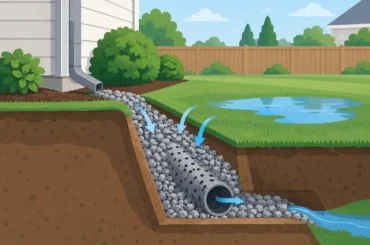
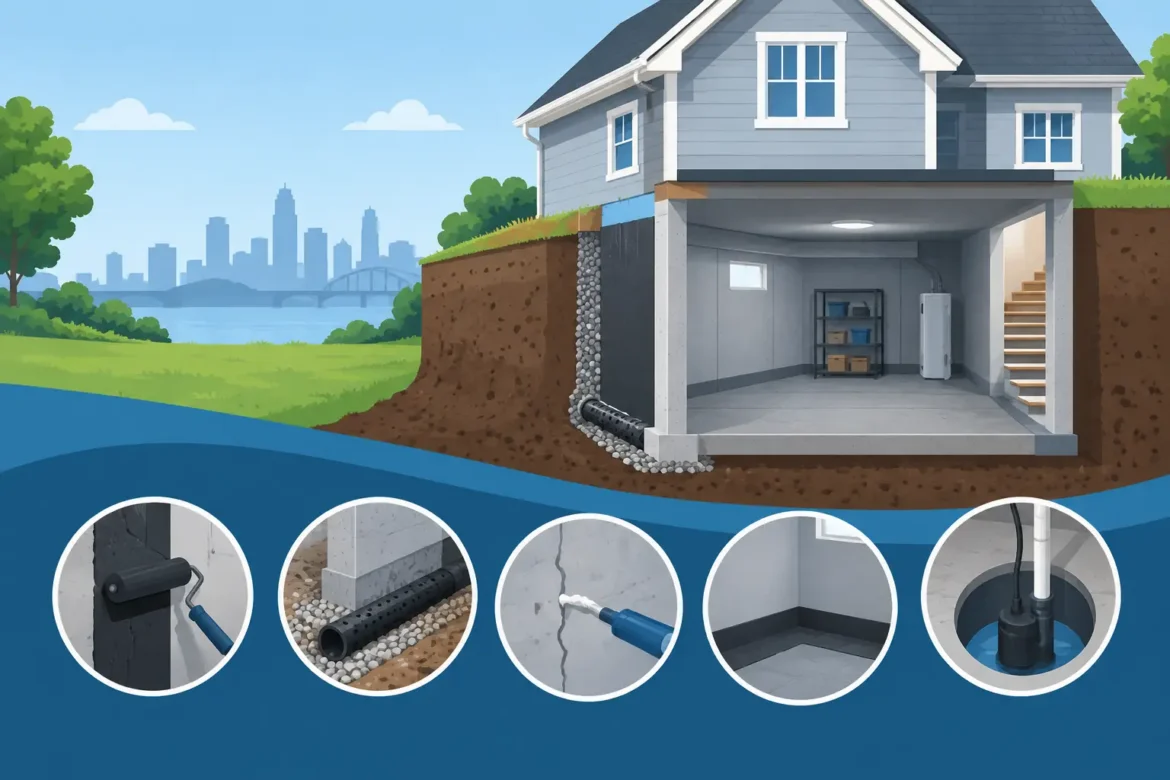
When runoff and groundwater remain a concern, an exterior footing drain can collect water around the base of the foundation and carry it away from the structure. This typically involves excavating along the outside foundation wall, installing perforated drainage pipe in clean stone, using filter fabric where appropriate, and providing a reliable discharge point.
Exterior drainage is a major project, but it addresses water before it reaches the foundation. It is especially worthwhile when a property has recurring seepage, visible exterior wall deterioration, poor grading, or water pressure building against the foundation after storms. Access, landscaping, decks, patios, utilities, and the depth of the foundation all affect cost and scope.
Apply Exterior Foundation Waterproofing
If excavation is already needed, the exposed wall can be cleaned, repaired, and protected with a true waterproofing membrane. Unlike a basic interior coating, an exterior membrane is designed to stop moisture from passing through the foundation wall from the soil side. A protection board or drainage board may also be used to help preserve the membrane and move water down toward the footing drain.
This method is not always necessary for every damp basement. However, it is one of the strongest long-term options for homes with persistent leakage through foundation walls, deteriorated exterior coatings, or significant hydrostatic pressure. The quality of the prep work and drainage details matters just as much as the membrane itself.
Interior Waterproofing Options for Existing Homes
Interior systems do not stop water from reaching the outside of the foundation, but they can manage water that gets through or beneath it. They are often a practical choice when exterior excavation is restricted by a finished patio, tight property lines, landscaping, or access limitations.
Interior Perimeter Drains and Sump Pumps
An interior perimeter drain is installed along the inside edge of the basement floor. Water entering at the wall-floor joint or rising beneath the slab is directed into the drainage channel, then sent to a sump basin. A sump pump moves the collected water out of the basement through a discharge line.
For many homes with recurring seepage, this is a dependable way to keep the basement dry. The floor must be opened around the perimeter, so there is construction involved, but the work is done from inside the basement. A properly installed system should include clean stone, reliable pipe placement, a correctly sized basin, and a discharge route that will not send water right back toward the foundation.
A sump pump should be tested regularly, particularly before spring storms and hurricane season. Homes that lose power during storms may benefit from a battery backup system. A pump is only as dependable as its power source, float switch, discharge line, and maintenance.
Seal Cracks and Wall Penetrations
Foundation cracks, utility penetrations, and gaps around pipes can allow water into an otherwise dry basement. Small, stable cracks may be repaired with injection materials or specialized sealants, depending on whether the crack is actively leaking and whether it is accessible from inside or outside.
Crack repair is useful when the problem is truly isolated. It is not a substitute for drainage work when water is accumulating around the entire foundation. If several cracks are leaking after every storm, the home may be dealing with pressure and runoff rather than a few independent wall defects.
Interior Waterproof Coatings
Waterproof coatings can be helpful on sound masonry walls after the underlying moisture problem has been corrected. They can improve appearance and reduce minor dampness, but they should not be sold as a cure for active water pressure, floor seepage, or drainage failure.
Applying a coating over wet, damaged, or unprepared walls can lead to blistering, peeling, and trapped moisture. It may make the basement look better temporarily while the actual problem continues behind the finish.
Do Not Overlook Drainage Around Paving and Hardscapes
Waterproofing and exterior construction often overlap. A driveway that funnels water toward the garage or foundation, a patio without enough pitch, or a retaining wall with no drainage behind it can create conditions that lead to basement moisture.
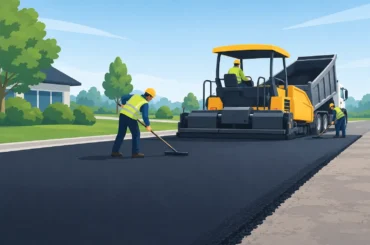
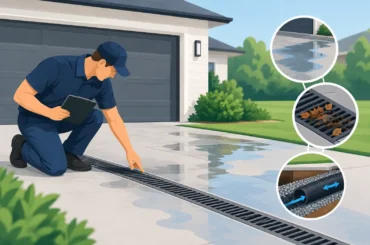
When replacing a driveway, walkway, patio, or stoop, drainage should be part of the plan from the start. Proper pitch, catch basins, channel drains, swales, and drainage piping can protect both the new surface and the foundation nearby. Correcting water flow at the time of a paving or masonry project is usually easier than tearing out finished work later.
Bentley Paving & Masonry evaluates drainage as part of the bigger picture, because a dry basement and a properly draining exterior go hand in hand.
Choosing the Right Repair for Your Property
The best approach is rarely the cheapest first step or the biggest project by default. Start with the obvious exterior issues: clear gutters, repair downspouts, correct surface grading, and make sure paved areas shed water away from the house. If water continues to enter, determine whether it is coming through walls, through cracks, at the floor joint, or from beneath the slab.
Exterior excavation and waterproof membranes provide strong protection when outside water pressure is the main issue. Interior drains and sump pumps are often effective when managing groundwater or when outside access is difficult. Crack repair works well for limited entry points. Many homes need a combination of methods rather than one product or repair.
A dry basement is built from good water management, not shortcuts. Before finishing a basement, storing valuable items below grade, or investing in new landscaping and hardscaping, make sure rainwater has a clear path away from the home. That practical step protects the work above ground and the space below it.